Dental Tourism Risks and Red Flags for Dental Implants in Turkey
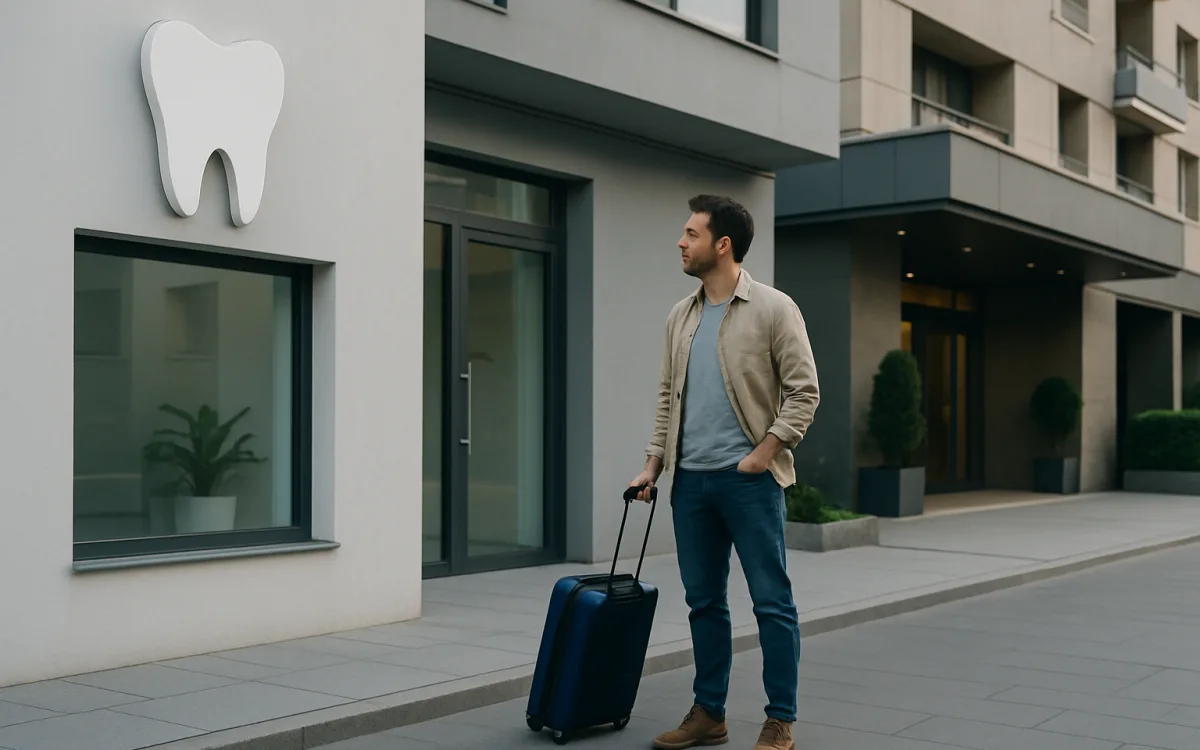
The promise of affordable dental implants in Turkey draws thousands of international patients each year. While many return home satisfied, some face complications and difficult choices when things don’t go as planned. Knowing the risks, recognising red flags, and understanding your rights—or lack thereof—are crucial before making any decision.
This guide provides a realistic look at dental tourism: what can go wrong, how to protect yourself, and the warning signs that should prompt you to walk away. If you’re considering treatment abroad, it’s essential to weigh the potential savings against the true costs and responsibilities involved.
The Real Risks of Dental Implants Abroad#
Dental implants in Turkey can offer significant savings—often €2,000 to €6,000 less than in Western Europe—but lower prices come with trade-offs. The most common risks include implant failure, infection, poorly matched materials, miscommunication, or aftercare problems once you return home. Published studies suggest complication rates for dental tourism are around 6-8%, compared to 2-4% in countries with strict regulatory oversight. Language barriers, differences in clinical standards, and limited legal recourse across borders all add complexity. Understanding these risks is the first step to deciding if travelling for dental implants is genuinely right for you.
Table: Red Flags and What They Really Mean#
| Red Flag | What It Usually Means | What To Do |
|---|---|---|
| No written treatment plan or quote | Potential for hidden costs or bait-and-switch pricing | Insist on a detailed, written quote before agreeing |
| Pressure to pay upfront or book immediately | Aggressive sales tactics, possible lack of transparency | Take your time, seek a second opinion |
| Clinic won’t disclose dentist credentials | Dentist may lack proper qualifications or experience | Ask for names, background, and registration numbers |
| ‘Too good to be true’ prices (e.g. implants for under €400) | Risk of low-quality materials or rushed procedures | Compare prices and ask about brands and guarantees |
| No clear aftercare or warranty policy | Clinic may not support you if problems arise after you leave | Request written details on follow-up options |
| Reluctance to answer questions about complications | Clinic may not be equipped to handle problems or is avoiding liability | Walk away and find a more transparent provider |
What Happens If Implants Fail After You Return Home?#
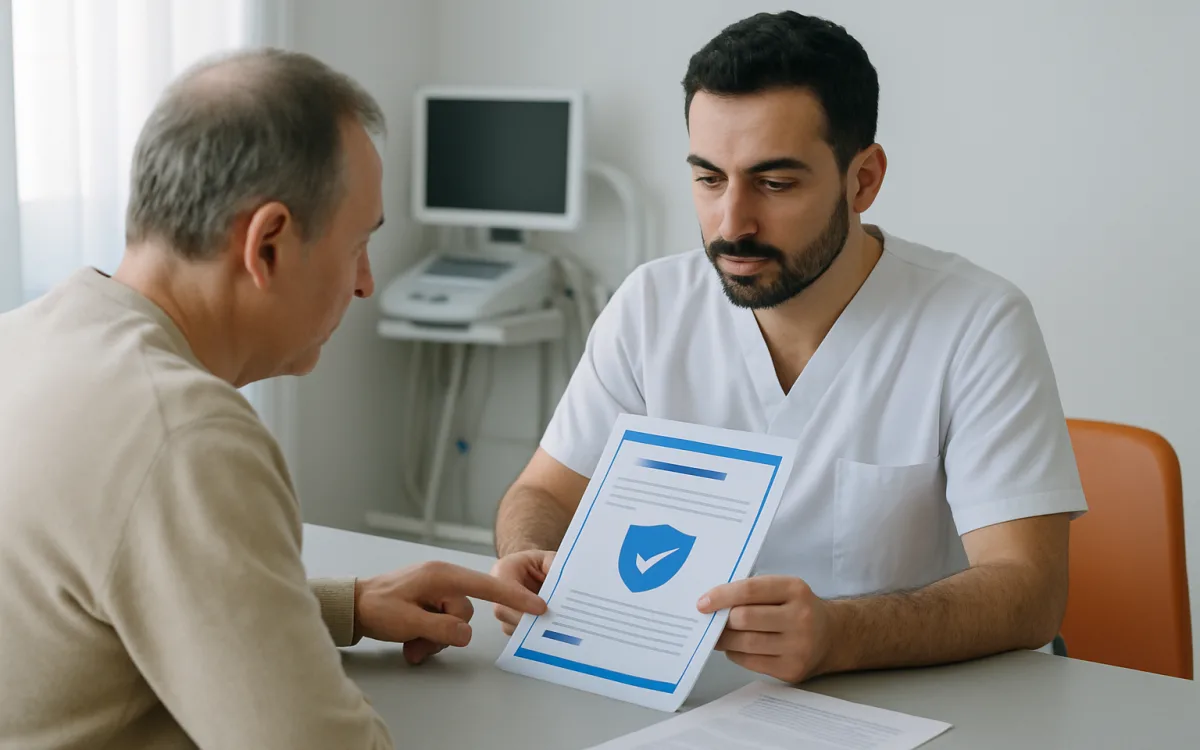
Implant failure can occur weeks, months, or even years after treatment. In Turkey, most clinics offer a warranty—typically 2 to 5 years—but the practicalities of using it from abroad are challenging. You’re generally responsible for travel costs if you need to return. Local dentists in your home country may be reluctant to repair or maintain implants placed abroad, particularly if unfamiliar brands or techniques are used. If a dispute arises, you’ll find Turkish consumer protection laws are not easily enforced internationally. Realistically, patients seeking redress after returning home have limited options beyond negotiating directly with the clinic or accepting out-of-pocket repairs locally.
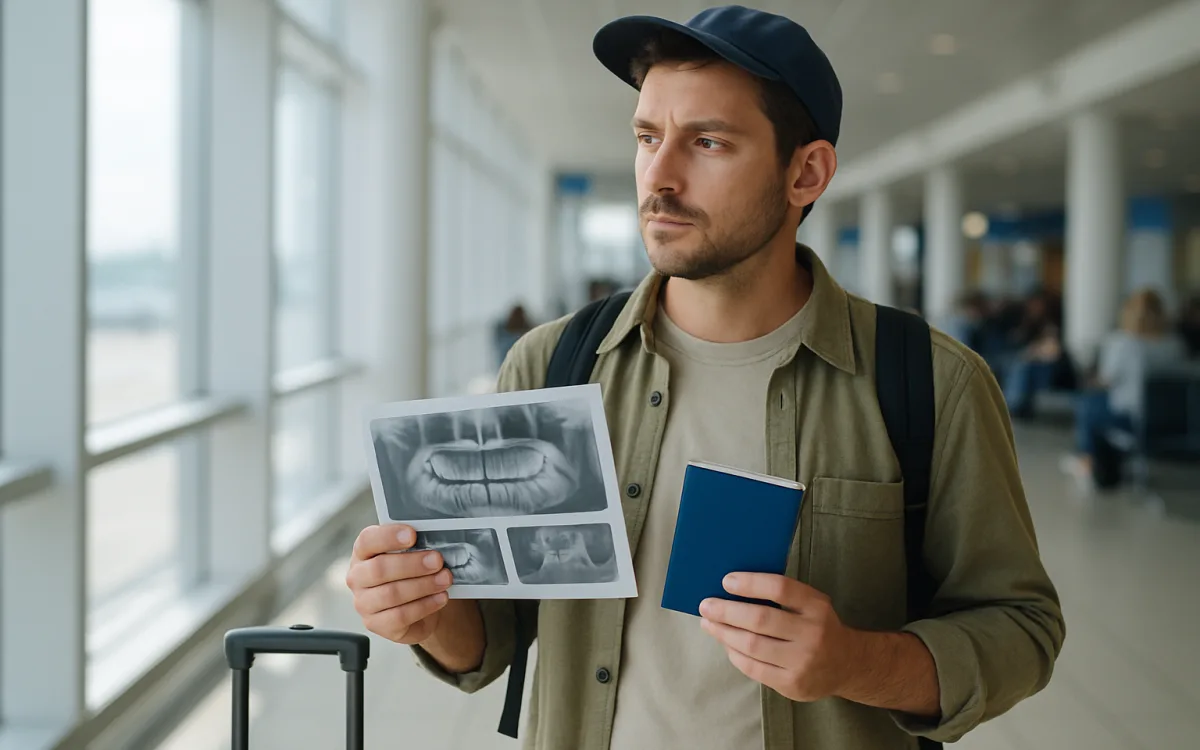
Always ask for documentation about the implant brand, batch number, and treatment steps in case you need follow-up care elsewhere.
Who Should Not Travel Abroad for Dental Treatment?#
Dental tourism for implants is not suitable for everyone. Patients with chronic illnesses or complex dental needs face higher risks of complications, which are harder to manage across borders. If you cannot commit to the possibility of returning for further treatment, or if language barriers and travel logistics would make urgent care difficult, it is safer to seek treatment closer to home.
- People with complex medical conditions (e.g. uncontrolled diabetes, heart issues, bleeding disorders)
- Anyone unable or unwilling to travel back for follow-up or emergency care
- Patients who require extensive bone grafting or sinus lifts
- Individuals with a history of poor healing or immune compromise
- Those unable to take time off for multiple trips (most implants require at least two visits, several months apart)
How to Check a Clinic Before You Commit#
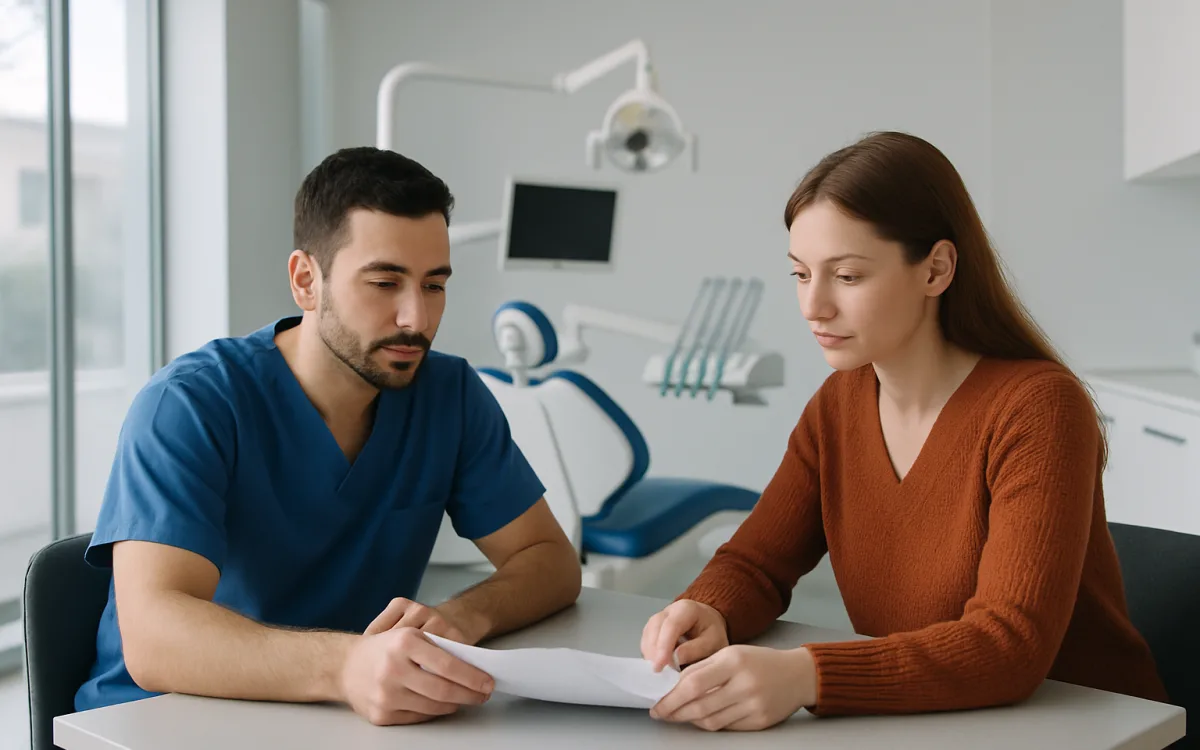
Due diligence is critical. A reputable clinic will welcome scrutiny and provide credentials, clear documentation, and references. If any step feels rushed or opaque, reconsider. Independent platforms like ours exist to connect you with vetted providers and help you request a written quote—never accept only a phone estimate or vague promises.
- Verify the dentist’s registration with the Turkish Dental Association (TDB)
- Check for ISO certification of the clinic facility
- Ask for before-and-after photos of real patients—not stock images
- Request references or reviews from foreign patients
- Confirm the clinic’s implant brands are CE or FDA approved
- Get a full written treatment plan, including aftercare details
Table: What Counts as a Genuine Guarantee?#
| Guarantee Feature | What to Look For |
|---|---|
| Duration | Minimum 2 years, ideally 5; avoid clinics with no written timeframe |
| Scope | Covers both implant and crown/bridge, not just one component |
| Transferability | Can be honoured by a clinic in your home country or partner clinics |
| Process | Clear instructions for making a claim, including contact details and required documents |
| Exclusions | Transparent about what is not covered (e.g. poor oral hygiene, trauma) |
What to Do if You Spot a Red Flag#
- Pause and get a second opinion from an independent source
- Ask for clarification or written confirmation before proceeding
- Do not transfer any money until you are satisfied with the answers
- Report concerns to your country’s medical tourism or consumer protection body
- Consider alternatives—sometimes walking away is the safest option
Remember, no reputable clinic will pressure you into a decision or hide essential information.
Questions people ask
What legal rights do I have if something goes wrong with my dental implants in Turkey?
Legal rights for international patients are limited. Turkish clinics may offer warranties, but enforcement from abroad is difficult, and local consumer protection agencies in your home country usually won't intervene. It's crucial to have everything in writing before treatment. In practice, recourse is limited to negotiating directly with the clinic or, in rare cases, pursuing a civil claim in Turkey. Consider the practicalities and costs involved if you need to return for remedial work.
How often do problems actually occur with dental implants placed in Turkey?
Studies and insurance data suggest complication rates for dental tourism patients are about 6-8%, which is higher than the 2-4% seen in countries with strict regulation. Most problems involve infection, poor integration, or aesthetic dissatisfaction. Many clinics perform hundreds of cases per year, so absolute numbers are still relatively low, but the risk is real and aftercare can be challenging once you return home.
Can I get aftercare for my Turkish dental implants in my home country?
Aftercare for implants placed abroad can be complicated. Many dentists in your home country may be reluctant to work on implants they did not place, especially if unfamiliar brands or components are used. If follow-up treatment is needed, you may face extra costs and logistical hurdles. Always ask your Turkish clinic for full documentation and a list of compatible implant brands before treatment to improve your chances of finding aftercare at home.
dental implants Turkeydental tourism risksTurkey dental clinic red flagsimplant failure after dental tourismdental implant warranty Turkeycheck clinic credentials Turkey