Dental Implant Aftercare: The First Month and the Next Ten Years
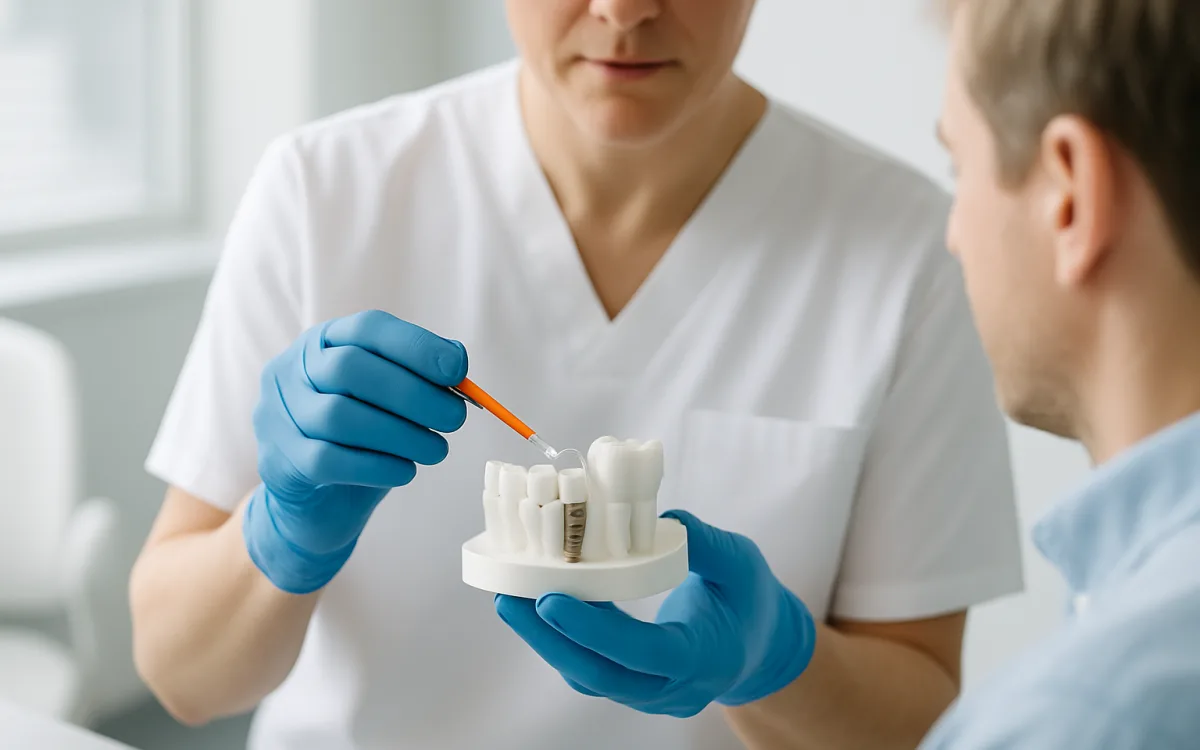
Getting dental implants in Turkey is a major investment in your long-term health and confidence. While clinics rightly emphasise the first week of recovery, the truth is that what you do months and even years after your procedure has a bigger impact on your implant’s success than many realise.
This guide explains what to expect and how to care for your dental implants, from the immediate do’s and don’ts post-surgery to the ongoing routines and checks that help prevent complications like peri-implantitis. We’ll also cover why long-term aftercare is crucial not just for your health, but for maintaining your clinic’s guarantee. If you’re planning treatment, understanding this journey helps you budget, plan, and protect your results.
The First Week: Do’s and Don’ts After Implant Surgery#
- Do keep the surgical area clean using a prescribed mouthwash; avoid brushing directly on the wound for 48 hours.
- Do use cold packs on the cheek to limit swelling for the first 24 hours.
- Do eat soft, cool foods—think yoghurt, mashed potatoes, or soup (not hot).
- Do not smoke or drink alcohol for at least one week, as these delay healing.
- Do not exercise vigorously for 3-5 days to avoid raising blood pressure near the implant site.
- Do not touch or disturb the implant area with your tongue or fingers.
If swelling, pain, or bleeding worsen after three days, contact your clinic promptly—even if you’ve already returned home.
Understanding Peri-Implantitis: The Hidden Long-Term Risk#
Peri-implantitis is an inflammatory condition affecting the gum and bone around a dental implant, similar to gum disease around natural teeth. Left untreated, it can lead to bone loss and even implant failure. The risk rises with poor oral hygiene and smoking, but regular cleaning and check-ups can reduce it dramatically. Symptoms may include bleeding when brushing, swelling, or a bad taste near the implant—though early stages are often painless. Clinics in Turkey stress short-term healing, but it’s the ongoing prevention of peri-implantitis that protects your investment over the next decade. Brushing, flossing or using interdental brushes daily, and annual professional cleanings are essential.
| Risk Factor | How to Reduce Risk |
|---|---|
| Smoking | Quit or avoid tobacco use entirely |
| Poor cleaning | Brush twice daily, use interdental brushes |
| Missed check-ups | See a dentist yearly for reviews |
| Diabetes | Keep blood sugar well controlled |
How to Clean Around Dental Implants (And What to Avoid)#
- Use a soft-bristled toothbrush and low-abrasive toothpaste.
- Clean the gum line with an interdental brush designed for implants.
- Use non-alcoholic mouthwash if recommended by your dentist.
- Avoid toothpicks or hard instruments that may scratch the implant.
- Do not use whitening toothpastes on implant crowns—they can scratch the surface.
- If you have a bridge or multiple implants, consider a water flosser.
Annual Reviews: Why They Matter More Than You Think#
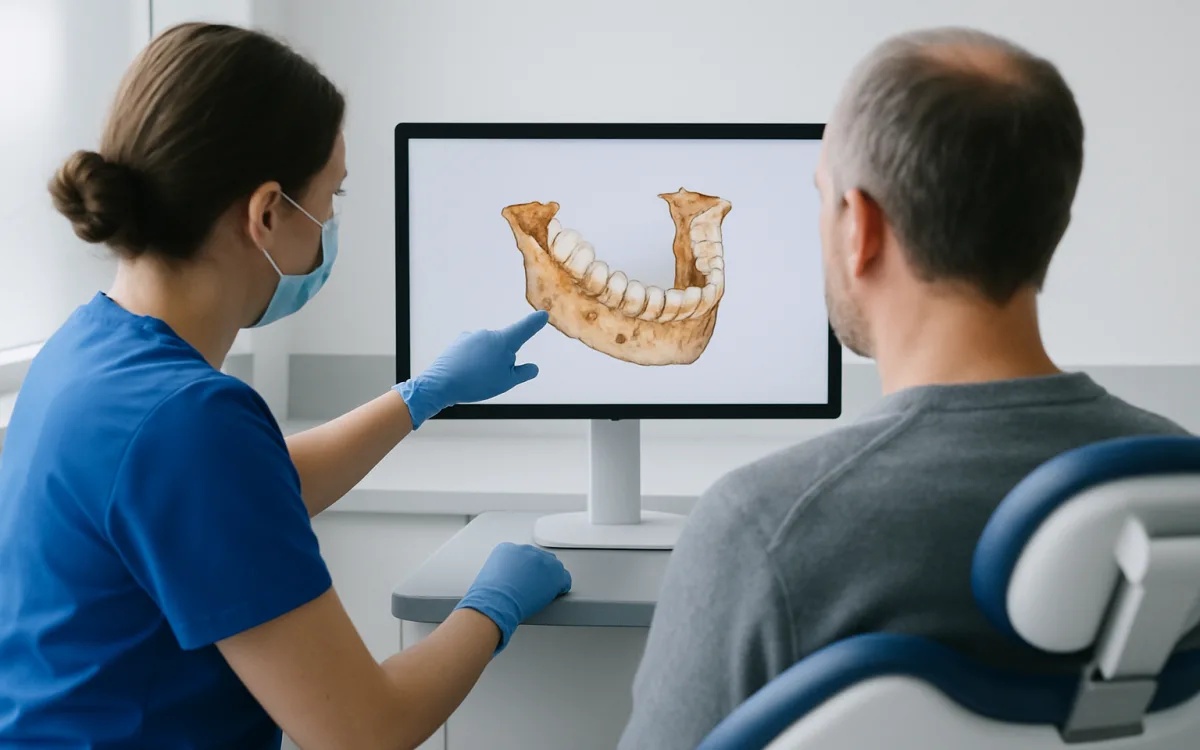
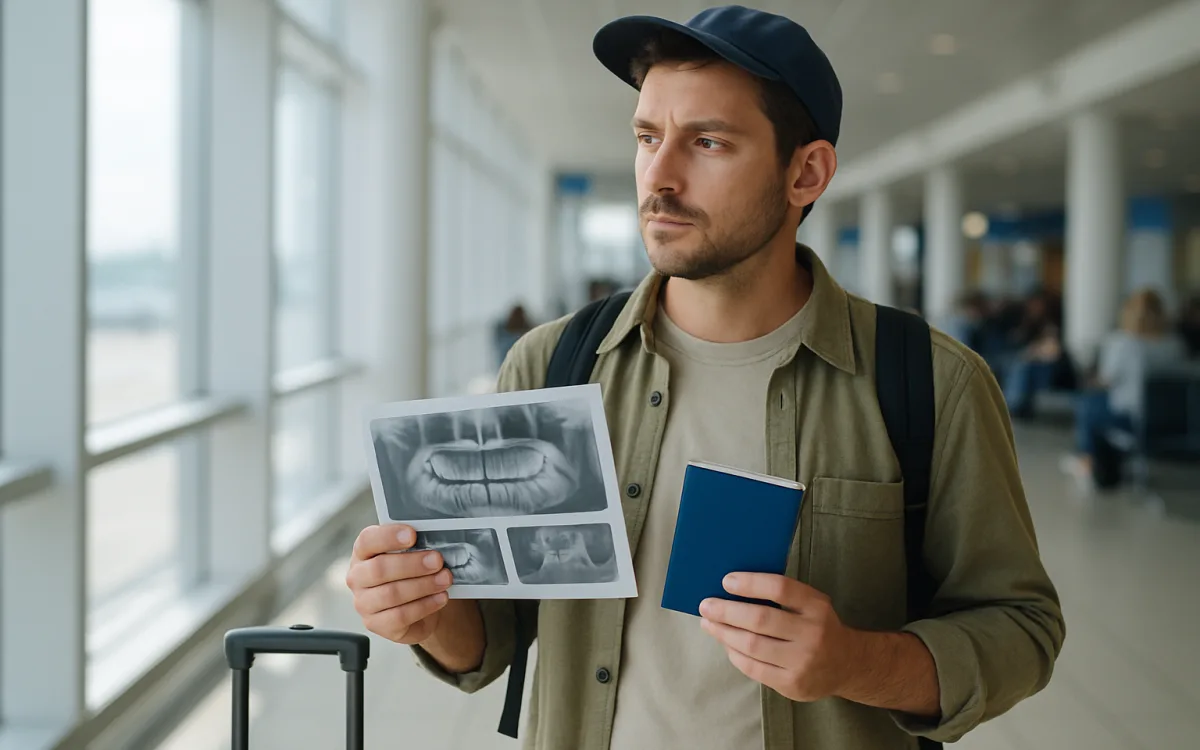
Many patients travelling for dental implants in Turkey are unaware that annual check-ups are often a condition for a clinic’s guarantee. These documented reviews, which can be performed by your local dentist, allow early detection of issues like bone loss or peri-implantitis. Missed appointments may void your guarantee, even if the implant was placed perfectly. A typical review includes X-rays, a check of gum health, and professional cleaning. Always keep written records and receipts from each visit, as clinics may request proof if you need to claim on the guarantee.
| Review Step | Why It’s Important |
|---|---|
| X-ray | Detects hidden bone loss early |
| Gum probing | Finds inflammation before pain starts |
| Professional cleaning | Removes plaque in hard-to-reach areas |
| Documentation | Protects your guarantee with proof |
Guarantees and Their Fine Print: What Is (and Isn’t) Covered#
Guarantees are a major selling point for dental implants in Turkey, but they come with conditions. Most cover the implant itself (the titanium screw) for 5-10 years, and the visible crown for 2-5 years. However, damage from poor cleaning, missed annual reviews, or untreated health problems can void cover. Guarantees rarely include costs for travel, accommodation, or failed bone grafts. Always request the guarantee terms in writing and ask what documentation you’ll need to maintain it.
If you can’t commit to regular check-ups at home, overseas treatment may not be the right choice for you.
Budgeting for Long-Term Implant Health#
It’s easy to focus on the upfront cost of dental implants in Turkey, which typically ranges from €450 to €900 per implant depending on brand, surgeon experience, and complexity. But long-term costs matter, too. Annual check-ups in your home country can cost €60 to €150 per year, and professional cleaning adds €50-€100. Neglecting maintenance can result in far higher costs if complications occur. When comparing clinics, ask what aftercare support is provided and budget realistically for reviews and cleaning over ten years.
When Overseas Treatment Isn’t the Best Option#
- If you have a chronic health condition that affects healing (such as uncontrolled diabetes).
- If you are unable or unwilling to attend yearly dental visits in your home country.
- If you smoke and can’t quit, as smoking increases implant failure risk.
- If you expect a simple guarantee to cover all possible issues, including travel.
- If you need rapid or complex follow-up that would be difficult from abroad.
Honest self-assessment and a realistic look at aftercare are just as important as choosing the right clinic.
Questions people ask
What is peri-implantitis and how can I prevent it after dental implant surgery in Turkey?
Peri-implantitis is an infection and inflammation affecting the tissues around a dental implant, leading to bone loss and, potentially, implant failure. It is most commonly caused by plaque build-up due to poor oral hygiene, smoking, or missed dental reviews. To prevent peri-implantitis, maintain excellent daily cleaning with a soft brush and interdental brushes, avoid smoking, and attend a professional dental review and cleaning at least once a year. Early detection by your local dentist is crucial for successful treatment if any issues arise.
Do I have to return to Turkey for annual implant check-ups to keep my guarantee?
Most Turkish clinics do not require you to return for annual reviews, but they do require you to attend yearly documented check-ups with a qualified dentist in your home country. You should keep written records, receipts, and X-rays from these visits, as you may be asked to provide proof if you ever need to claim on your guarantee. Failing to attend these reviews or provide documentation can invalidate your guarantee, even if the implant placement was technically perfect.
How much should I budget for maintaining dental implants after my treatment in Turkey?
Beyond the initial implant cost (typically €450–€900 per implant in Turkey), you should budget for annual check-ups (€60–€150 per year) and professional cleaning (€50–€100 per session) in your home country. These costs are not usually included in your Turkish clinic’s package. Neglecting maintenance can lead to complications that require expensive corrective treatment, which may not be covered by your guarantee. Factoring in these ongoing expenses is essential for protecting your investment long-term.
dental implants Turkeydental implant aftercare guideperi-implantitis preventiondental implant maintenance costsdental implant guarantee termsannual implant check-up requirements