Dental Implant Healing: Week-by-Week Recovery After Surgery in Turkey
Getting dental implants in Turkey is a major decision, and understanding the healing process is crucial for a safe and successful outcome. Knowing what to expect at each stage—from immediate swelling and discomfort to bone integration and the final fitting—removes much of the guesswork, and helps you spot anything that might need professional attention.
This guide walks you through the calendar of healing, week by week. You'll learn what is normal, what is not, and how to manage each phase, including the difference between gum healing and bone integration. Whether you’re budgeting for time off or planning your return journey, clear expectations help you make informed decisions and avoid surprises.
Dental Implant Healing: The First Six Weeks in Detail#
| Week | What to Expect | What to Watch For |
|---|---|---|
| 1 | Swelling, bruising, mild bleeding, and discomfort; soft diet recommended. | Severe pain, pus, persistent bleeding, or high fever—seek dental help. |
| 2 | Swelling reduces, stitches (if non-dissolvable) may be removed, gums begin to close. | Worsening pain, swelling, or redness may signal infection. |
| 3 | Gum tissue continues healing; mild tenderness may persist; most daily activities resume. | Loose implant or persistent soreness—contact your dentist. |
| 4 | Gums usually closed over implant site; bone integration quietly underway. | Any new swelling or pain should be checked. |
| 5-6 | Discomfort largely gone. Gradual return to normal diet, but avoid hard foods. | Bad taste, strange movement, or gum recession—see a dentist. |
Most patients travelling for dental implants Turkey stay for at least 7-10 days after surgery to ensure the early healing phase is stable.
Gum Healing vs Osseointegration: What’s Really Happening?#
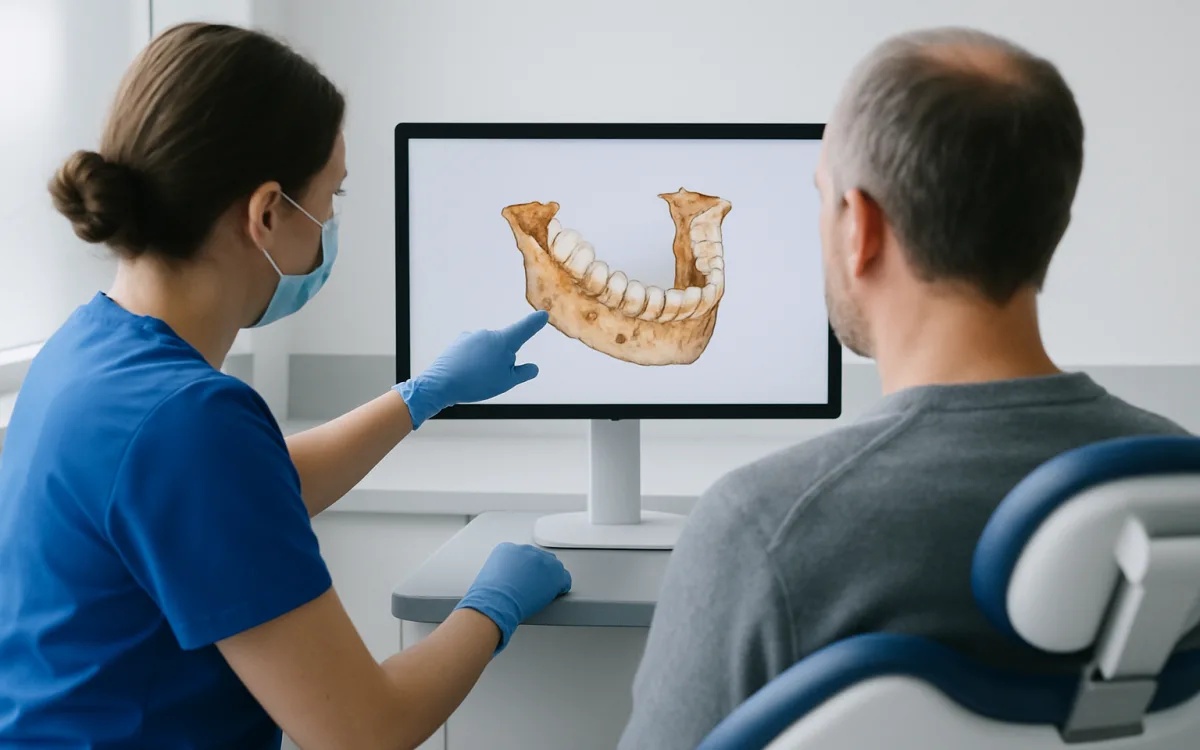
Gum healing and osseointegration are two separate but overlapping processes that drive the success of dental implants. Gum healing is the closure and repair of the soft tissue around the implant, typically completing within 2–3 weeks. Osseointegration, however, is the process where your jawbone grows around and fuses to the titanium implant, creating a stable foundation. This bone integration takes much longer—usually 3 to 6 months, sometimes longer, depending on bone quality, surgical technique, and your health.
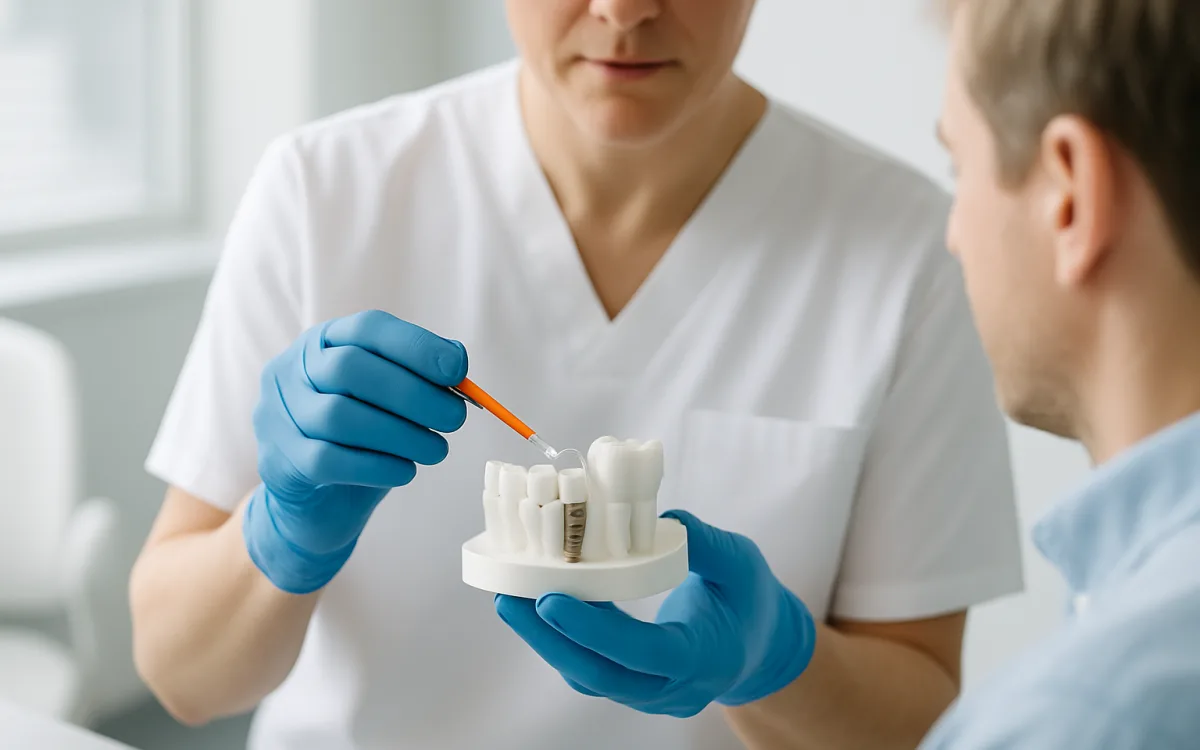
During this period, you might feel fully recovered on the surface, but inside, critical changes are still taking place. Rushing to load the implant with a permanent crown before osseointegration is complete risks implant failure. Most reputable clinics in Turkey now use two-stage protocols: first the implant, then the permanent crown after full integration.
What’s Normal, What’s Not: Warning Signs After Implant Surgery#
- Mild swelling, bruising, and discomfort for up to a week are normal.
- Persistent or worsening pain after day three can signal infection.
- Pus, foul taste, or discharge from the site is cause for urgent attention.
- A loose-feeling implant or crown is never normal—see a dentist immediately.
- Sudden swelling, redness, or difficulty swallowing/breathing requires emergency care.
If you travel home after surgery, arrange for a local dentist to check any concerning symptoms—don't rely on remote advice alone.
What Affects Healing Time? Patient, Technique, and Materials#
Patients choosing dental implants Turkey should discuss their medical history and any risk factors with both their home dentist and the Turkish clinic. Not everyone is a good candidate for treatment abroad, especially if you have complex health needs or may require emergency care at home.
- Your general health: Smoking, diabetes, and immune disorders slow healing.
- Bone quality: Softer bone takes longer to integrate the implant.
- Surgical technique: Minimally invasive methods may reduce swelling and speed gum closure.
- Implant surface: Modern roughened titanium surfaces promote faster osseointegration.
- Adherence to aftercare: Following instructions (diet, hygiene, medication) matters.
The Full Timeline: From Surgery to Final Crown#
| Timeline | Stage | What Happens |
|---|---|---|
| Day 0 | Surgery | Implant placed, gums stitched or sealed. |
| Days 1-7 | Initial Healing | Swelling, bruising, and discomfort; soft foods. |
| Weeks 2-6 | Soft Tissue Healing | Gums close, stitches removed if needed. |
| Months 2-4 | Osseointegration | Bone fuses to implant; no visible changes. |
| Month 4-6 | Abutment Placement | Small surgery to attach abutment (if two-stage). |
| Month 5-7 | Final Crown | Permanent crown fitted after integration confirmed. |
Budgeting for Healing and Return Trips: What to Consider#
While dental implants Turkey can offer significant savings—typically €700–€1,200 per implant, not including travel—your healing calendar may require two or more trips. The first trip covers surgery and initial healing, but the final crown is fitted only after osseointegration, which can take several months. Plan for accommodation, flights, and possible time off work. Some clinics offer package deals, but check what’s included, especially regarding follow-up care and the need for emergency dental support back home. Always request a written quote and clarify the calendar before committing.
Travelling for Implants: When Is It Not a Good Idea?#
- You have poorly controlled diabetes or immune disorders.
- You smoke heavily and cannot quit before/after surgery.
- You require complex bone grafting or sinus lifts best managed in person.
- You cannot arrange reliable follow-up care at home.
- You are unable to return to Turkey for the second stage of treatment.
Honest self-assessment and consultation with both home and Turkish dentists are essential before booking treatment abroad.
Questions people ask
How long does it take to heal after dental implants in Turkey?
Soft tissue healing usually completes within 2–3 weeks, allowing most patients to return to daily routines. However, osseointegration—the process of the jawbone fusing to the implant—takes 3 to 6 months. Only after this stage is it safe to fit the permanent crown. If you travel for dental implants Turkey, expect at least two trips: one for surgery, and one for final restoration months later.
What are the signs of dental implant failure or infection?
Warning signs include severe or worsening pain after the first few days, persistent swelling or redness, pus or a foul taste from the implant site, or a loose-feeling implant or crown. Fever or difficulty swallowing/breathing is urgent. These symptoms require prompt attention from a dentist—do not ignore them or rely on remote advice if you’ve already travelled home.
Can I speed up healing after dental implant surgery in Turkey?
While you cannot rush bone integration, you can support healing by following all post-op instructions: keep the site clean, avoid smoking, maintain a soft diet as recommended, and take prescribed medications. Good general health, a well-chosen clinic, and careful technique also help. Rushing the process, such as fitting the crown too early, increases the risk of complications.
dental implants Turkeydental implant healing stageshow long do dental implants take to healosseointegration dental implantdental implant swelling after surgerydental implant warning signs