Types of Dental Implants: Brands, Materials, and What Sets Them Apart

Choosing dental implants in Turkey isn’t just about finding a low price. The type of implant system, the material used, and the manufacturer’s brand can all affect your long-term satisfaction, maintenance options, and cost. With dozens of implant brands and materials available, it’s easy to get lost in technical jargon or price lists that don’t tell the full story.
This guide explains what actually makes implants different: titanium versus zirconia, how surface treatments can impact healing, connection types that affect future repairs, and why a written quote with a named brand is crucial. If you’re considering treatment abroad, understanding these details helps you budget, compare clinics transparently, and avoid costly mistakes that may only show up years later.
What Makes One Dental Implant Different from Another?#
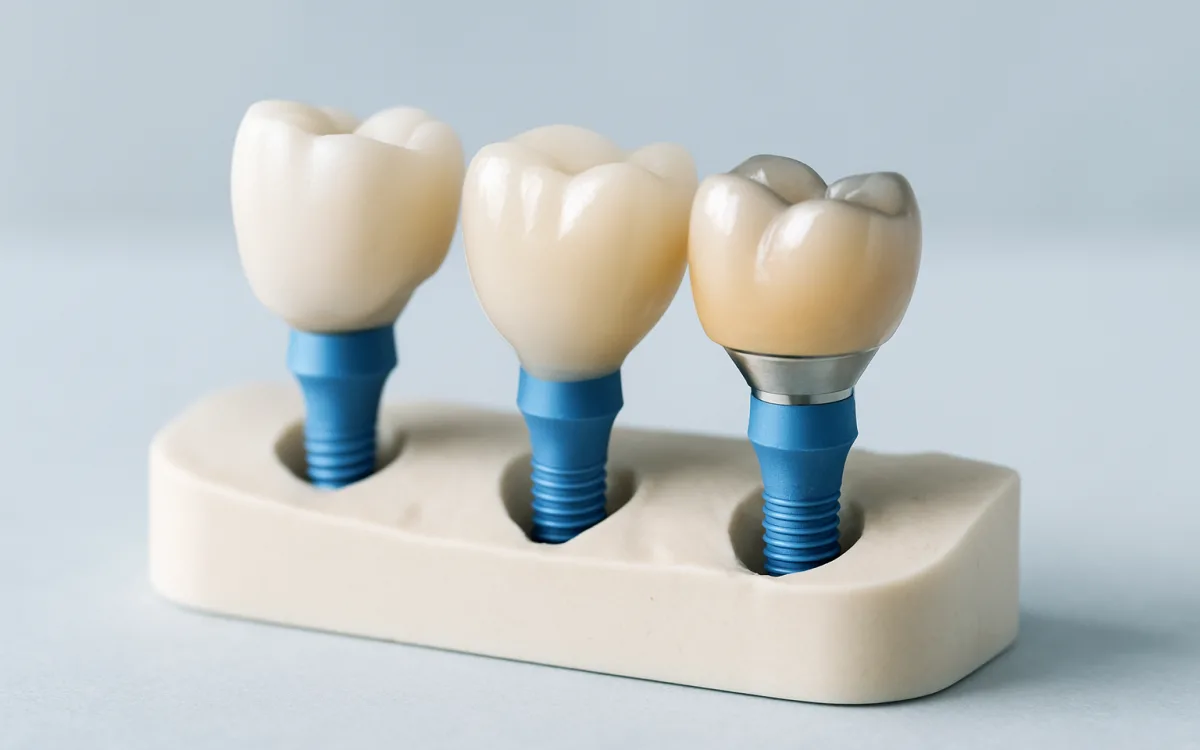
Not all dental implants are created equal. The main differences come down to the material (usually titanium or zirconia), the design of the connection where the implant meets the crown, the surface treatment to encourage bone bonding, and, importantly, the brand. Well-known brands offer proven track records, global availability of compatible parts, and more predictable results. Some cheaper, generic implants may lack long-term data or be difficult to service outside Turkey. When comparing quotes, ask for the implant brand and model in writing. This becomes vital if you ever need maintenance or a replacement part years later, especially if you return home.
Titanium vs Zirconia: Which Material Is Right for You?#
- Titanium: Most common, strong, and biocompatible. Decades of studies support its use, and it rarely triggers allergies.
- Zirconia: Ceramic, white-coloured, sometimes chosen for aesthetics or metal allergies. Less long-term research, and fewer brands offer it.
- Surface treatment: Most titanium implants have roughened or coated surfaces to encourage bone growth, while zirconia is usually smooth.
- Cost: Zirconia implants are usually 30–50% more expensive than titanium ones, often ranging from €900–€1,400 per implant.
If you have a metal allergy, always ask for documentation and allergy testing before choosing zirconia, as it may limit clinic and brand options.
Implant Connection Types: Why They Matter for Future Repairs#
The way the artificial tooth (crown) connects to the implant is a technical detail that can have big implications later. There are external hex, internal hex, and conical (Morse taper) connections, among others. Many international brands standardise their connections, making it easier to find compatible parts in your home country. Some lesser-known brands use proprietary connections, which can make future repairs difficult or expensive. Always request the connection type in your written quote, and check if compatible parts are available where you live. This is especially important if you might move or travel in the future.
Why Implant Brand Matters: Tier Table and Price Effects#
Premium brands cost more but offer better long-term support and easier access to replacement parts worldwide. Local or generic brands can save you money upfront but may pose challenges if you need repairs at home. When budgeting for dental implants Turkey clinics, clarify the exact brand—not just the country of origin.
| Brand Tier | Example Brands | Typical Price per Implant (€) |
|---|---|---|
| Premium International | Straumann, Nobel Biocare | €900–€1,400 |
| Mid-Range International | MIS, Ankylos, Osstem | €600–€900 |
| Turkish/Generic | Implance, Nucleoss | €400–€650 |
Mini Implants: When Are They Not Enough?#
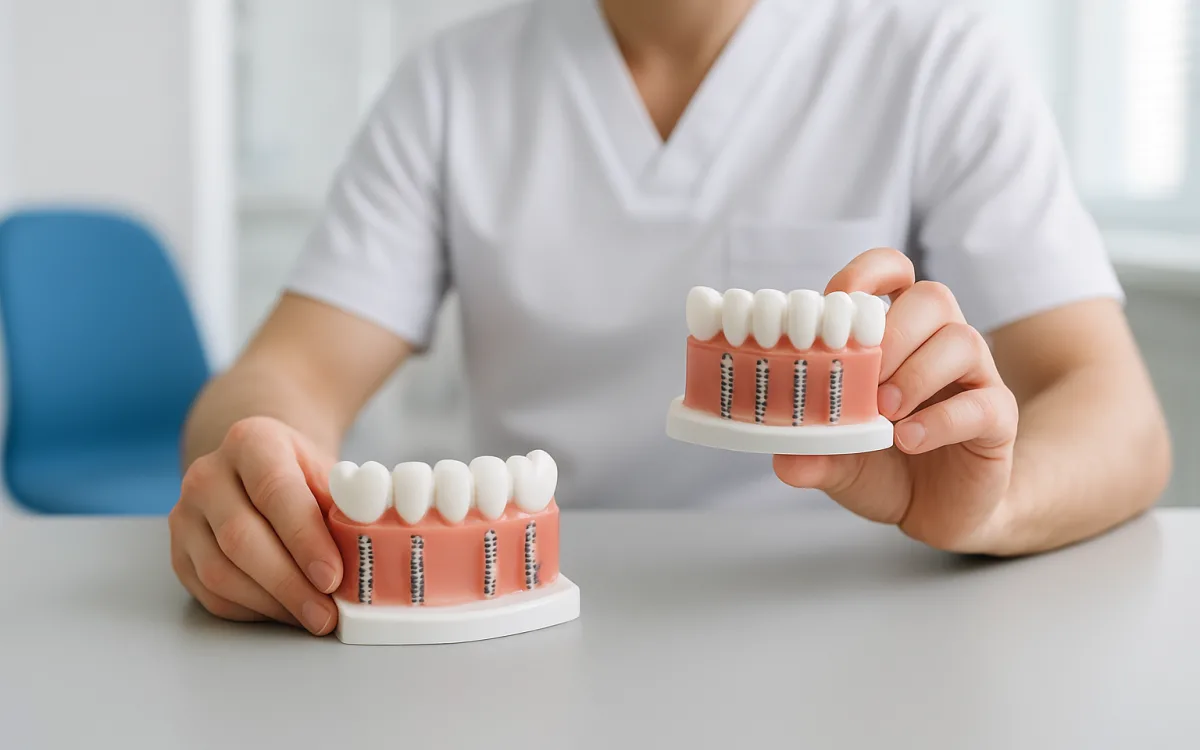
- Mini implants are thinner (often less than 3mm wide) and are typically used for stabilising dentures, not single missing teeth.
- They require less bone but are less durable under heavy chewing forces.
- Standard implants are preferred for replacing molars or supporting bridges.
- Minis can be a quick, lower-cost option (as low as €250–€500 each) but may not last as long.
Mini implants are rarely suitable for full mouth reconstructions or high-bite-force areas; always ask if standard implants are possible before accepting minis.
How to Compare Clinic Quotes: What to Request in Writing#
A legitimate clinic should have no issue providing these details in a written quote. If a clinic won’t name the brand or dodges questions about compatibility or warranties, consider this a red flag. Your future dentist back home will need this information to help you if any issues arise.
- Brand and model of the implant system, not just 'titanium implant'
- Material and surface treatment details
- Connection type (external, internal, conical, etc.)
- Detailed pricing, including abutments and crowns
- Warranty terms and aftercare arrangements
When Treatment Abroad Might Not Be the Right Choice#
Travelling to Turkey for dental implants offers savings and access to skilled professionals, but it’s not right for everyone. Patients with complex medical histories, severe bone loss, or those unable to travel for follow-up visits should consider whether local treatment might be safer. If you can’t commit to two visits several months apart, or if you want guaranteed access to repairs locally, weigh these factors carefully. Independent platforms like ours can help you make an informed choice, but we never diagnose or recommend surgery for anyone.
Questions people ask
How do I know if a dental implant brand used in Turkey is recognised internationally?
Ask the clinic for the exact brand and model in writing. Check if the manufacturer has a website, published research, and distributors in your home country. Premium brands like Straumann, Nobel Biocare, MIS, or Dentsply are widely recognised and supported. Lesser-known brands may be harder to service outside Turkey, so ensure you’ll have access to compatible parts and maintenance at home before committing.
Are zirconia implants better than titanium implants?
Each material has advantages and trade-offs. Titanium implants are supported by decades of research, are highly durable, and rarely cause allergic reactions. Zirconia implants are metal-free, which may be preferred for certain allergies or cosmetic reasons, but they are usually more expensive and have less long-term clinical data. Most patients do well with titanium; discuss all options with your dentist, especially if you have allergies or special aesthetic concerns.
Can I get mini implants for all missing teeth to save money?
Mini implants are only suitable for specific situations, usually stabilising lower dentures when there’s limited bone. They are not recommended for replacing multiple teeth, molars, or supporting bridges due to their lower strength and durability. While minis can lower costs, they may not last as long or handle heavy chewing forces. Always ask your dentist if standard implants are possible, and understand the long-term maintenance risks before choosing mini implants.
dental implants Turkeytypes of dental implantsdental implant brands Turkeytitanium vs zirconia dental implantsmini dental implants Turkeydental implant cost Turkey