Zirconia vs Porcelain Crowns on Implants: Choosing for Strength and Aesthetics
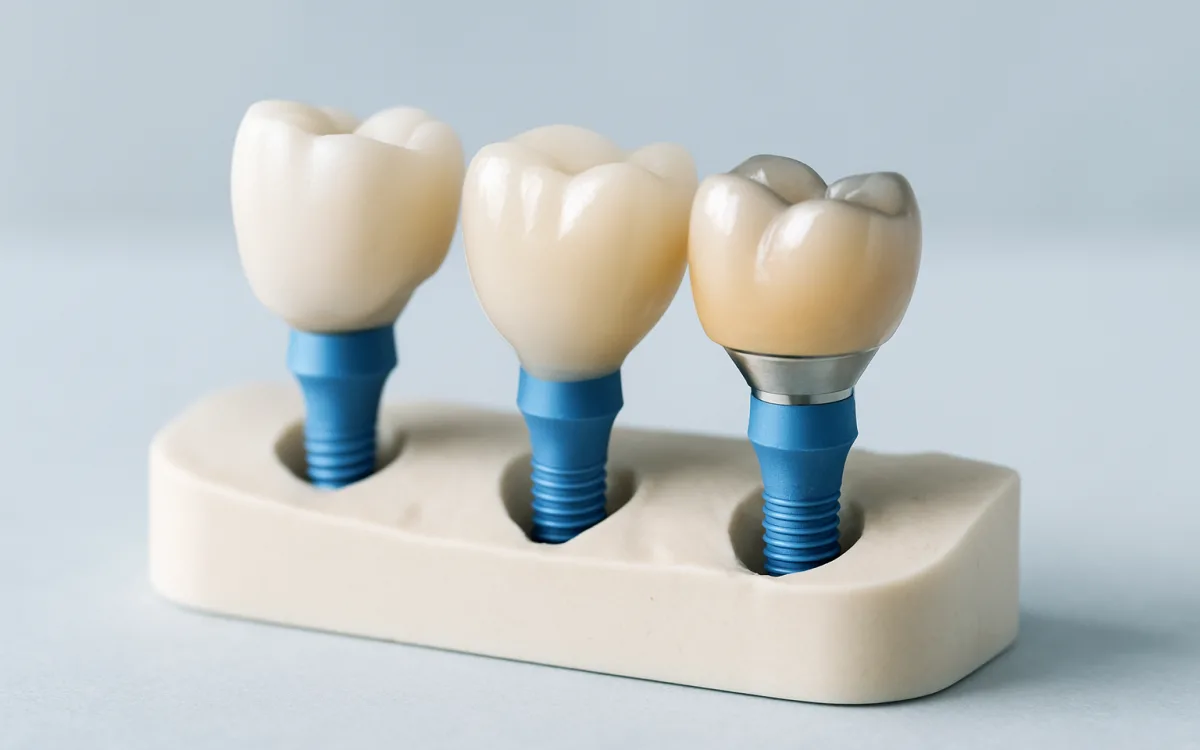
The crown placed on a dental implant is what you, and everyone else, will actually see. Getting this choice right is about more than just looks: it affects how the tooth feels, how long it lasts, and how much it will cost in the long run.
If you’re considering dental implants in Turkey, you’ll likely be offered several crown options—monolithic zirconia, layered zirconia, E-max, and porcelain fused to metal. Each has its strengths and drawbacks, and the right decision depends on where the crown is being placed, your bite, and your expectations for appearance and durability. This guide breaks down the facts and helps you prepare informed questions for any clinic.
What Is the Crown and Why Does Material Matter?#
The implant crown is the visible, functional part of your new tooth, attached to the abutment on the dental implant itself. It must withstand daily biting and chewing, match your natural teeth, and remain stable for years. In Turkey’s dental implant clinics, you’ll often hear about four main crown materials: monolithic zirconia, layered zirconia, E-max (lithium disilicate), and porcelain fused to metal (PFM, sometimes called metal-ceramic). Each material reacts differently under pressure, ages in its own way, and comes with different pricing and aesthetic results.
Crown material choice should factor in your bite strength, tooth position, and expectations for appearance and longevity.
Comparing Crown Materials: Strength, Aesthetics, and Cost#
Clinics in Turkey typically offer a range of crowns for dental implants. Monolithic zirconia is chosen primarily for high-load areas, like molars, due to its impressive strength but can appear less lifelike. Layered zirconia and E-max crowns offer better aesthetics, which is valuable for visible front teeth, but they are a bit more fragile. Porcelain fused to metal crowns are durable and affordable, but their metal core can sometimes show as a grey line at the gum—especially if the gum recedes over time. Prices in Turkey vary: monolithic zirconia crowns range from €180–€350 each, E-max and layered zirconia from €220–€420, and PFM from €110–€250. Lower prices often reflect fewer layers or less skilled aesthetic work.
| Material | Strength & Durability | Appearance |
|---|---|---|
| Monolithic Zirconia | Very high; resists chips and cracks | Opaque, slightly less natural than others |
| Layered Zirconia | Strong core, more brittle than monolithic | Highly aesthetic, mimics natural enamel |
| E-max | Strong, but less than zirconia; best for front teeth | Excellent translucency and lifelike colour |
| Porcelain Fused to Metal | Very strong but can chip at edges | Good, but risk of grey gum line, less translucent |
Which Crown Material Suits Front Teeth Versus Molars?#
- Front teeth (incisors, canines): E-max or layered zirconia for lifelike translucency and colour.
- Premolars: Layered zirconia or E-max for a balance of strength and appearance.
- Molars: Monolithic zirconia for maximum strength and resistance to fracture.
- Porcelain fused to metal: Consider for molars if cost is a major factor, but be aware of the risk of visible metal at the gum.
- Avoid E-max for back teeth with heavy bite forces—risk of fracture rises.
Always ask to see real patient photos of crowns made by the clinic’s lab, not just manufacturer’s samples.
Why Does a Grey Line Appear with Metal-Ceramic Crowns?#
With porcelain fused to metal crowns, the porcelain is layered over a metal core for strength. If gums recede even slightly or if the crown margin is not perfectly hidden below the gum, the metal edge can become visible as a grey or dark line at the gum border. This is most noticeable on front teeth, especially if you have thin gum tissue. While some clinics claim ‘no metal show’, this is difficult to guarantee long-term. All-ceramic crowns like zirconia or E-max can avoid this issue, though they are typically more expensive.
If you have a high smile line or thin gums, discuss the risk of visible metal edges with your clinic before you commit.
How Crown Materials Affect Wear on Opposing Teeth#
Harder materials, especially monolithic zirconia, can sometimes cause more wear on the natural teeth they bite against, particularly if the crown’s surface is not highly polished. Layered zirconia and E-max are gentler on opposing teeth but may be less durable in heavy-bite situations. Porcelain fused to metal crowns can also produce moderate wear if the porcelain chips, exposing rougher surfaces. Some clinics in Turkey use digital design and hand-polishing to minimise this risk, but it’s important to ask about the laboratory’s finishing techniques.
- Monolithic zirconia: Polish quality is crucial to reduce wear on opposing teeth.
- Layered zirconia and E-max: Softer, more tooth-friendly, but less ideal for heavy grinders.
- Porcelain fused to metal: Watch for chipping that can increase roughness.
- Night guards may be recommended if you grind or clench your teeth.
How to Budget Honestly for Crown Choices in Turkey#
The quoted price for a dental implant in Turkey often covers the surgery, abutment, and a standard crown. If you want a premium material or highly aesthetic work—especially for visible teeth—expect to pay extra. Confirm what’s included in your quote, and always ask if the crown is made in-house or by an external lab. Cheap deals may cut corners on materials or craftsmanship. A reputable clinic will give you a written quote before you travel, and won’t pressure you to upgrade without clear justification.
| Material | Typical Price in Turkey (€) | Price Factors |
|---|---|---|
| Monolithic Zirconia | 180–350 | Lab quality, crown thickness, warranty |
| Layered Zirconia | 220–420 | Aesthetic layering, lab technician skill |
| E-max | 220–420 | Front tooth premium, custom shading |
| Porcelain Fused to Metal | 110–250 | Metal type, porcelain layering |
Is Treatment Abroad Right for You?#
- If you have complex bite issues or severe teeth grinding, discuss with a specialist before choosing a crown material.
- Long-term follow-up may be harder from abroad—consider your home dentist’s willingness to maintain overseas work.
- Thin or receding gums increase the risk of visible crown margins; all-ceramic materials may be worth the extra cost.
- Double-check that your clinic offers a written warranty on both implant and crown.
- If you are anxious about dental work or need multiple visits, budget for travel and accommodation, not just treatment.
Dental tourism is not ideal for everyone—if you have complex oral health issues, consider seeking a local specialist first.
Questions people ask
How do I choose between zirconia and porcelain crowns for my dental implant in Turkey?
The best crown material depends on the tooth's location, your bite strength, and your aesthetic expectations. Monolithic zirconia is often used for back teeth due to its durability, while E-max or layered zirconia are usually chosen for front teeth for a more natural look. Porcelain fused to metal is durable and cost-effective but may show a grey line at the gum, which can be a concern for visible teeth. Ask clinics to show real cases and discuss your specific needs before deciding.
Why are zirconia and E-max crowns more expensive than porcelain fused to metal in Turkey?
Zirconia and E-max crowns require advanced materials, sophisticated milling or layering techniques, and skilled lab technicians to achieve optimal aesthetics and fit. These all-ceramic options avoid the metal edge issue and can look more lifelike, especially for front teeth. Porcelain fused to metal is less expensive because the manufacturing process is less complex and the materials cost less, but it comes with a higher risk of visible metal over time.
What should I check before booking a dental implant crown abroad?
Verify that the clinic is transparent about the materials used, the laboratory responsible for making your crown, and any warranties provided. Always request a detailed written quote, including what type of crown is included and what upgrades cost. Check for clinic reviews, before-and-after photos of real cases, and ensure that you can communicate clearly with your treating team. If you have special requirements or complex dental conditions, discuss these in advance to avoid surprises.
dental implants Turkeyzirconia vs porcelain crownbest crown for dental implantdental crown materials comparisonE-max vs zirconia crown Turkeyporcelain fused to metal implant crown